Project by project in the bakery industry, we figure out the major role temperature plays and how crucial the ability to keep dough temperature under control is.
The idea to publish this article came out to share practical solutions in order to control dough temperature. It is a way to focus on key solutions and bring sustainable serenity during the dough mixing production step. It is also a chance to introduce SOREMA company and its large dedicated scope of water cooler equipment.
Table of contents
IMPOSSIBLE MISSION
Our consumption based way of life expects standardized products, in addition to the fact that fully automated production lines nowadays require identical products. But dough produced in the bakery industry is anything but inert, and changing temperatures deeply affect how dough performs and reacts in machinery. And if this were not enough, industrial bakeries must deal with one more challenging situation: being able to prevent any yeast activity startup due to hot dough. First, it is very easy to identify the reason why the product is sold unproofed and unbaked.
Then, because there is a direct impact of dough fermentation startup on dough viscosity. Fermentation activity in the dough brings undesirable stickiness and great trouble in driving automatic production lines. Furthermore, the quality of the product will tend to downgrade, especially viennoiseries products, due to butter migration risks into the dough. Finally, to achieve the goal of standardizing dough temperature in the bakery industry, it is necessary to control 2 major parameters: temperature and humidity, both connected to products and room conditions.
To sum up: the goal of controllong dough temperature may seem difficult. First, because impact sources are numerous. Then, because it looks impossible to solve some of them, for example: how to control production room temperatures when conditions are changing all the time (morning/evening, winter/summer, sunny/rainy day…)? How to control raw material (such as flour or sugar) temperature delivered one day too hot and the next day too cold? And keeping in mind that dough viscosity requires being the same every minute of the day…it’s true: what a challenge!
PERFORMANCE LEVERS
Hopi Consulting shares the 5 key levers to effectively control dough temperatures.
Room temprature
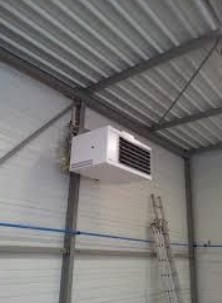
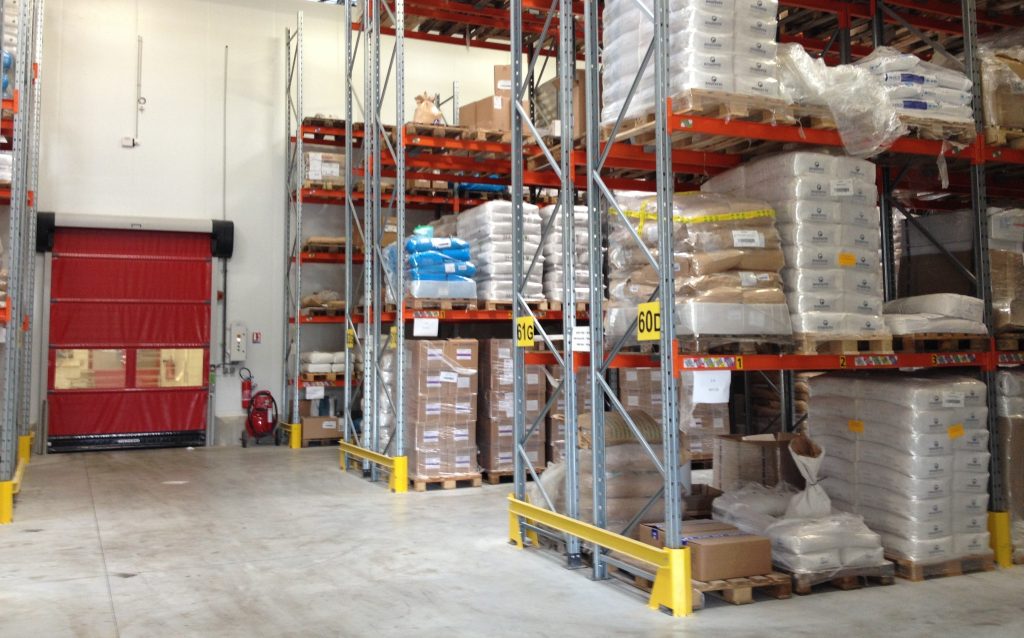
A strategy is to consider extreme temperatures for the raw materials stored in the room (20°C for dry ingredients such as flour, sugar, or salt) instead of a target temperature. Thus, this smart solution consists of installing air conditioning units connected to a temperature sensor in the room. Units bring heat or cold air only if necessary – and not all the time. That is to say, only when the room is becoming too hot or too cold. This is a smart way to control temperature, save energy, and cut down costs at the same time.
In the case of a new building, a strategy is also to design the room with a high level of insulation to protect the storage area from outside conditions. In the same way, South-facing storage areas are to be excluded. In addition, an easy way to maintain good temperatures in storage rooms is to keep doors closed.
Raw materials and ingredients temperature
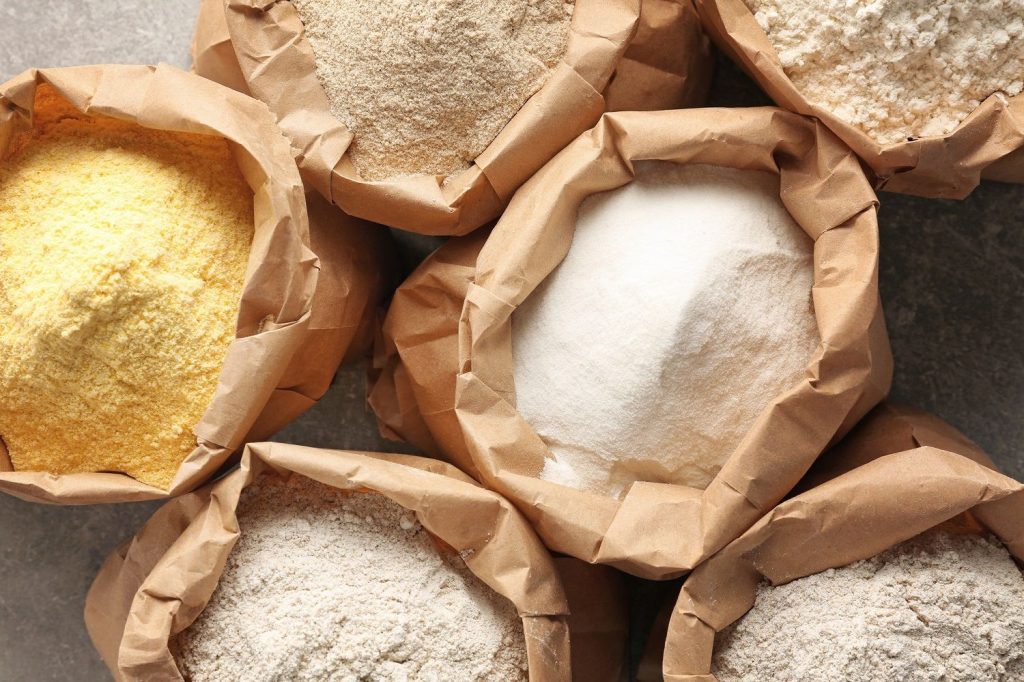
This is probably the most difficult scope of action. The fact is that a large range of dry raw materials in the bakery industry is delivered without any temperature target. A solution to control flour or sugar temperature is to initiate a specific storage time (2–3 days) after delivery. This “resting” time reduces extreme temperatures coming from the shipping stage (cross-docking in very hot or very cold conditions, for example) and supplier processing (such as fresh flour, which is always delivered very hot after the milling process).
Flour cooling technology focus
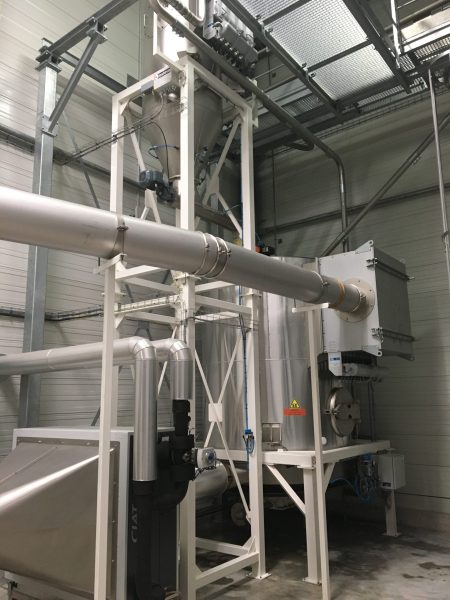
Because flour is one of the major raw materials in the bakery industry, industrial flour cooling systems are smart and effective solutions. Flour cooling systems are based on a 2-step process. A first stage produces pre-cooled air thanks to a chilling exchanger. Then pre-cooled air and flour are mixed together in a hopper or a fluidized bed. That makes it possible to reduce flour temperature by as much as 10 to 15°C. It is important to keep in mind the disadvantages of such solutions: flour cooling systems require a high amount of energy. Furthermore, the cost of the chilling installation connected to the process must not be overlooked.
Otherwise, engineering studies can bring a strong benefit to obtaining the best design and best location in the factory.
Dough temperature control during mixing stage
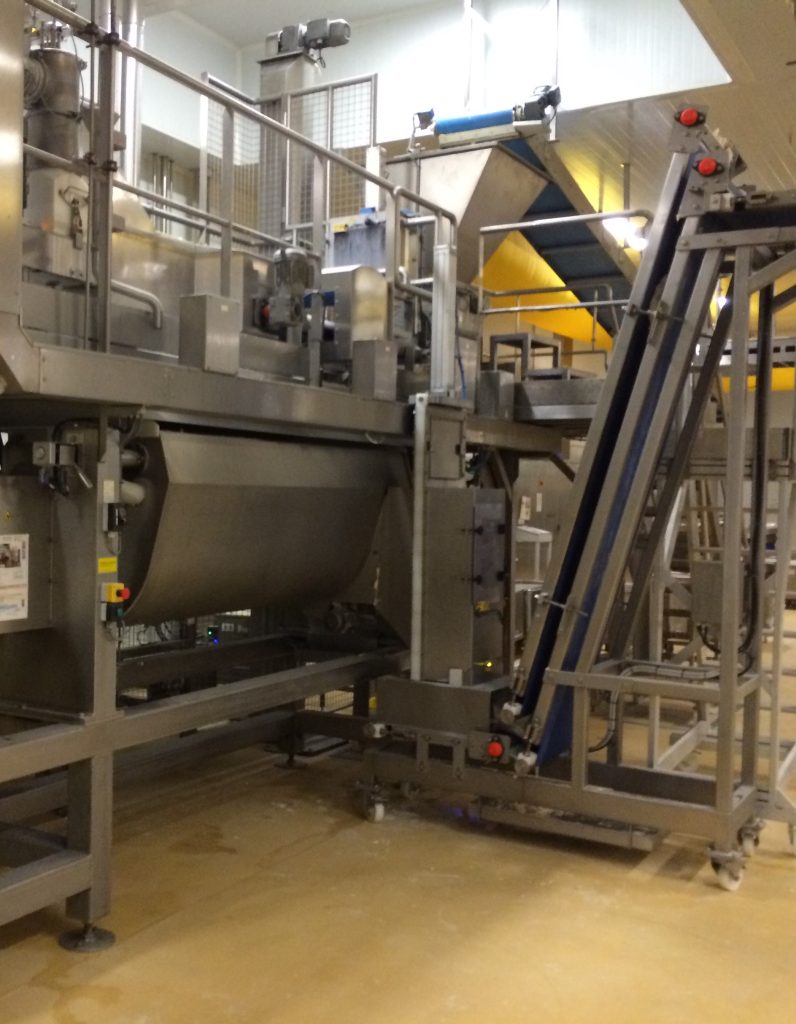
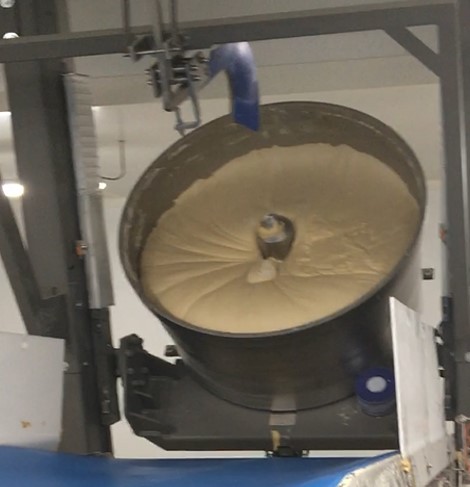
Here is a scope full of good solutions. The most common way to prevent high dough temperature due to mixing is the use of a pre-cooled double-jacketed chamber or bowl. A constant and flexible dough temperature is ensured thanks to a double jacket which is pre-cooled with glycol.
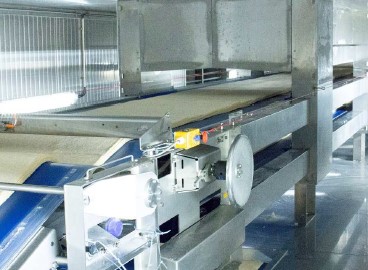
Other technologies may be found especially in the industrial manufacturing process of viennoiseries (details in this link). The use of cooling tunnels in the sheeting process brings extra continuous resting time in cold condition rooms (+/- 8°C). These solutions help to control dough temperature and increase baked product quality.
Chilled water
Here is the most effective way to control dough temperature. Because water in a recipe reaches at least 60% and up to 80% of the flour weight, focusing on how to control water temperature in a bakery manufacturing process is crucial.
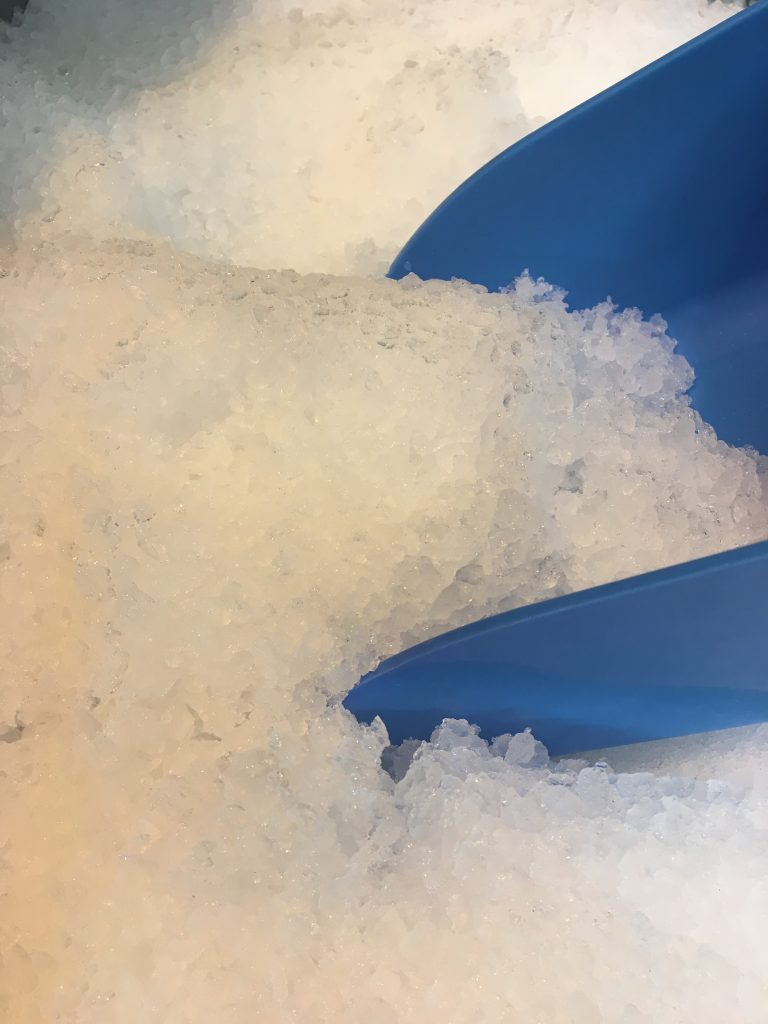
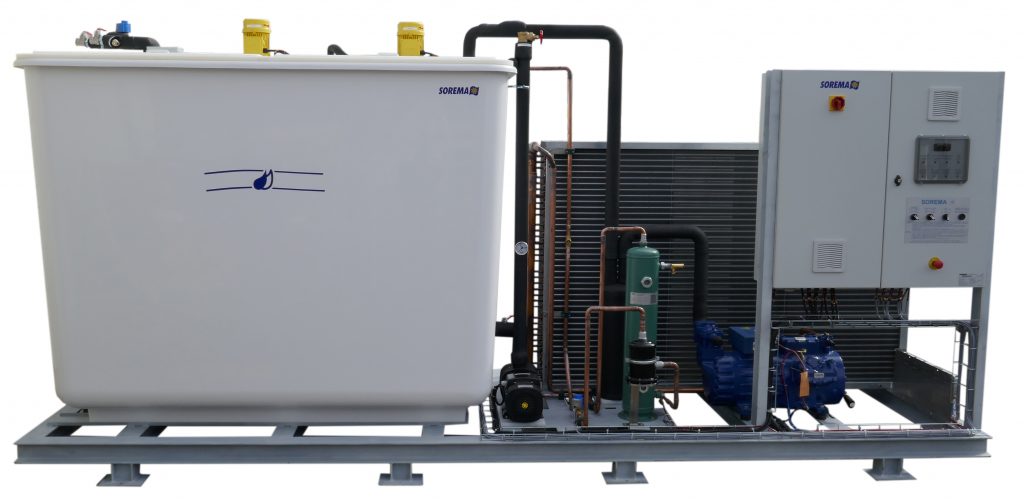
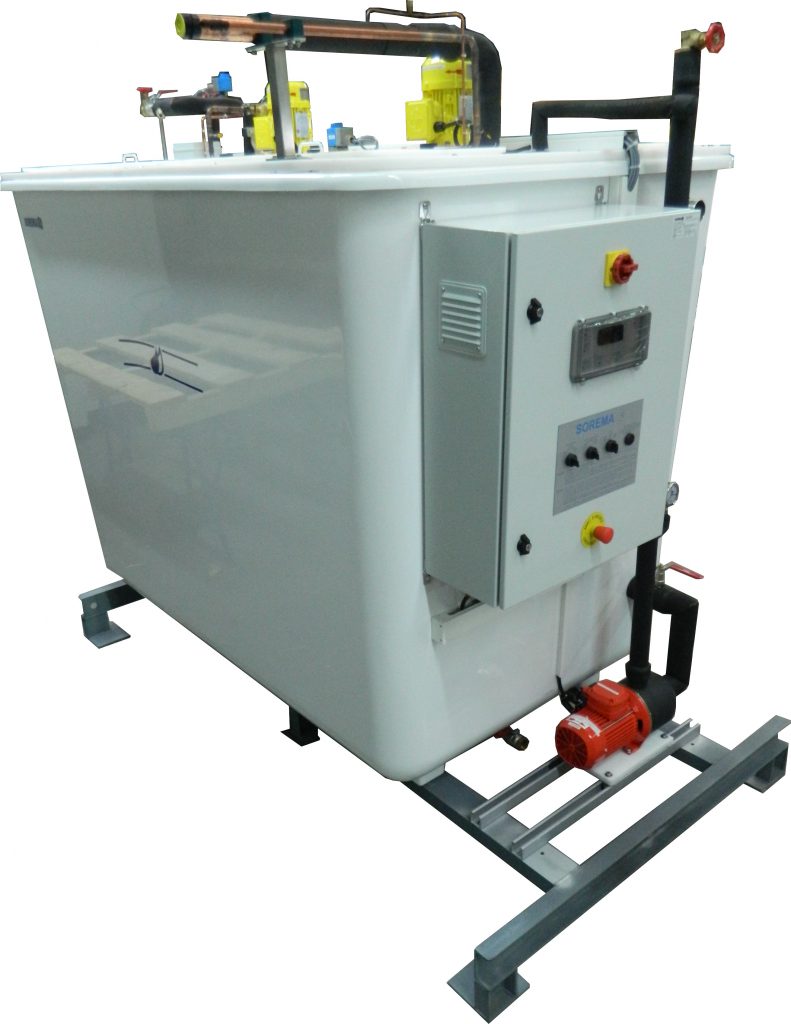
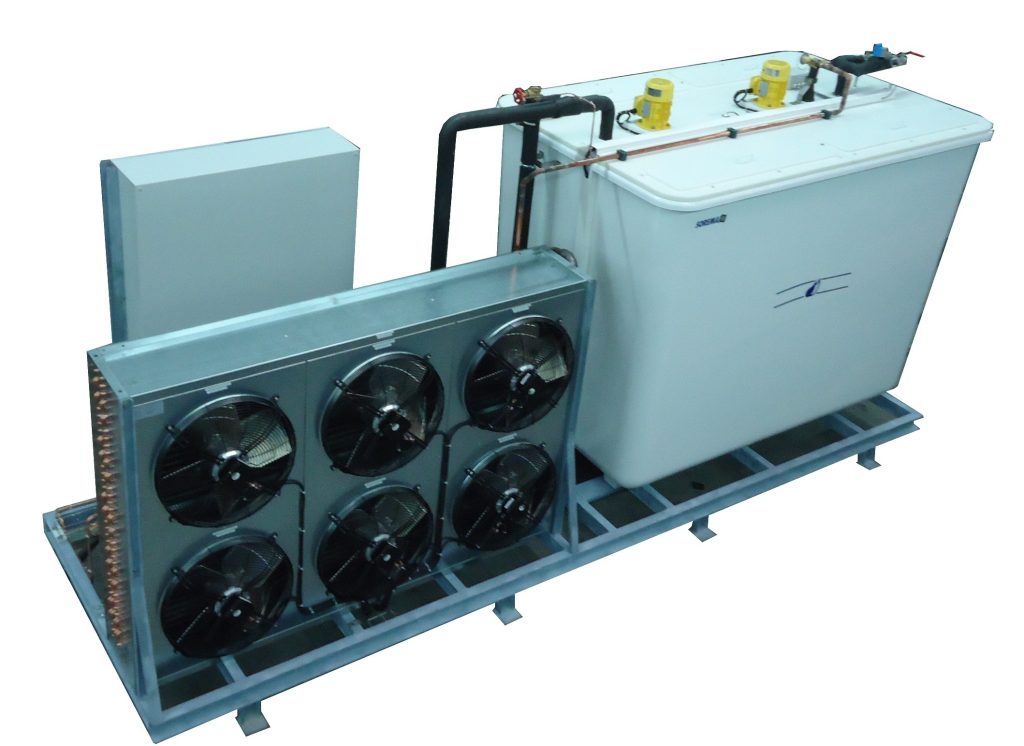
Water chillers are very common equipment. A water chiller is an insulated tank in which water is pre-cooled and maintained at a very low temperature (+1°C). Ice can also be added to the dough, enhancing the cooling impact. All that remains is to adjust the water temperature to reach the target dough temperature.
SOREMA COMPANY PRESENTATION
Here’s an excellent contact for controlling dough temperature. Let me introduce the SOREMA company, whose motto is “certified chilling in your process“.
SOREMA is a French company owned by Thibaut COLIN. The company has acquired over 70 years of expertise in temperature control and industrial water chillers. SOREMA was started as a water cooler provider for artisan bakers and then developed its business in the bakery industry and supermarket chains sector. Its scope of supply is also composed of water chillers for all types of activity (plastics & electronic processing) and industrial cold processes (packaging & mixers).
The companyemploys 30 people and aims to achieve €7 million sales this year. Half of its business is made in the bakery sector, with 25% dedicated to export sales all around the world.
SOREMA is a key player in the filled of water chillers for the bakery industry, especially in bread-making equipment.
SOREMAwater cooler solutions can be driven manually or installed in an automated system. Smart automatic solutions are provided and fit perfectly into the bakery above the mixing trough, using a wall bracket or a four-legged frame adjusted to the height of the mixing trough.
SOREMA’s range of feedwater chillerscan chill mains feedwater to +1°C. Depending on the model, it is possible to chill 30 to 2,000 liters an hour down to +1°C.
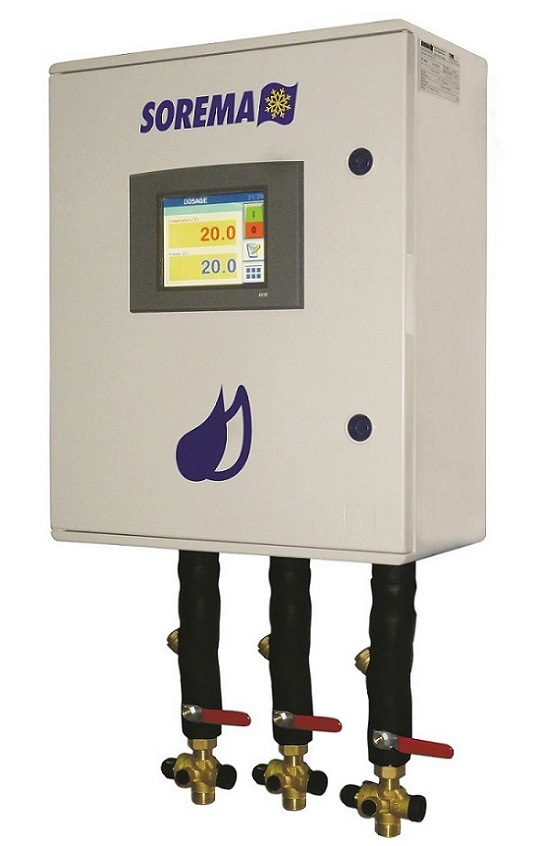
Dough preparation is also optimized by the water meters designed by SOREMA: volume programming, temperature adjustment with a mixture of hot water. The mixture in the trough is therefore perfect and consistent.
Ice machines
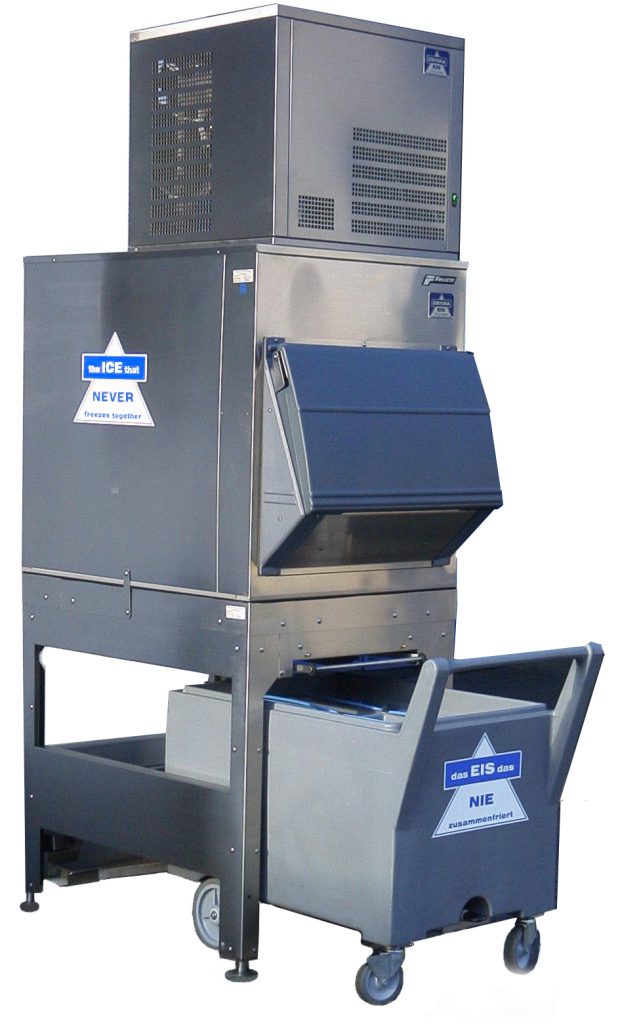
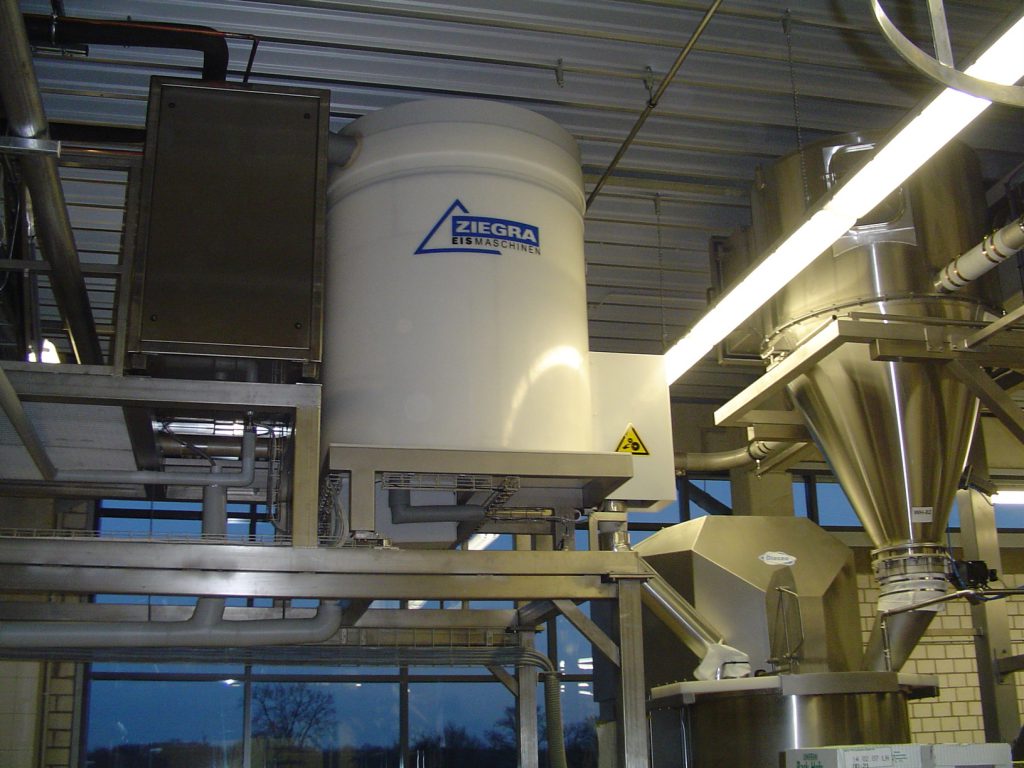
SOREMA and its German partner ZIEGRA offer a wide range of crushed ice machines. Operators can easily obtain the ice manually in a tray. New solutions have been designed, such as an automatic ice weighing system connected to the mixer, saving labor costs and bringing other benefits such as hygiene and optimization.
Other
SOREMA is also able to develop electrical oven steam condensation solutions, facilitating oven installations even in premises where air exhaust systems would be impossible.
Process innovation
New design
SOREMA, thanks to its design and research office, has brought new options to its water coolers’ scope of supply: complete draining, stainless steel structure, and easy cleaning access for hygiene.
New cooling technologies are also available with a focus on green optimization by taking advantage of the use of GWP (Global Warming Potential). Such as “GLACEO2” exposed in the EUROPAIN 2020 exhibition, based on CO2 condensation.
Screen touch control
SOREMA’s innovative approach has allowed to develop a large scope of automatic options driven by a touch screen: quantity of water or water temperature, for example. The process is available on the screen and connections are easy with the factory production management system.
Automated dosing system
Water meters can be connected to 3 different kinds of water: hot, cold, and standard tap water. A smart system drives and automatically optimizes the mix between the 3 waters to provide the temperature at the highest precision level and the lowest cost. This system can also communicate with other temperature sensors (flour silos, room conditions…) and smartly adjust its water dosing parameters.
Many thanks again to Thibaut COLIN for his help in writing this focus on the SOREMA company.
If you want to discover more, feel free to visit the website of SOREMA.
CONCLUSION
As you can see, even if the target to put under control dough temperature is crucial and difficult to reach, technical solutions exist. They can bring either efficiency or disappointment depending on the situation. That is why I would suggest not focusing on only one, as a key point, but on ways to mix all of them in a global dough temperature strategy.
Hopi Consulting accompanies you in this process with tailored, independent technical support, 100% dedicated to the baking industry. To learn more, discover our solutions on our website.
This article was written by Hopi Consulting, engineering dedicated to the baking industry.
Discover more articles on the Hopi Consulting blog dedicated to the baking sector.
Did you like this post ?
Share on Facebook
Share on Twitter
Share on Linkdin
Interested in this article?
Receive our monthly newsletter dedicated to the world of baking industry …
We will never send Spam nor share your email with third parties… promised!