3D vision is a technology that enables a machine to perceive an object in three dimensions. Unlike a conventional camera, which only captures a 2D image, a 3D vision system also measures the object’s profile, thereby generating a representation of its surface.
This is in line with current consumption trends, and despite the all-too-rare examples that contradict this trend, we expect products to be increasingly standardized, perfect, and flawless… But automated production processes also impose increasingly strict requirements for products to have the same size, shape, and weight.
All of this is particularly true in the baking industry, where, for example, any loave, croissant or pie presenting defects in appearance, shape, baking, filling distribution, or the presence of foreign bodies is rejected as non-compliant with the well-known quality standards and marketing criteria, whether it is bread, viennoiserie, biscuits, or pizza.
Two key challenges arise from this situation and the need to sort the products:
A requirement for reliability
A need for cost control
A requirement for reliability
The requirement for reliability is driven, on the one hand, by media pressure and the increasingly demanding expectations of consumers, who require “zero-defect” products and demand highly accurate sorting of non-conforming products.
In this context, manufacturers need to rely on inspection solutions that are reliable, objective, and capable of ensuring consistent quality at high production rates. 3D vision addresses this challenge by providing accurate information on the geometry and volume of products, thereby enabling automatic identification of deviations and strengthening the “zero-defect” approach throughout the production process.
A need for cost control
The need for cost control is linked to two key economic performance drivers. The first is sorting performance and the strategy of minimizing the exclusion of compliant products (false rejects). It should be kept in mind that, in theory, the lower the exclusion rate, the higher the risk of allowing non-compliant products to pass through, and vice versa. The challenge is to find the right balance.
The second driver is the associated labor cost required to carry out these sorting operations effectively. In the absence of reliable technical solutions or an appropriate investment strategy, some of these sorting operations in the baking industry are still performed manually by operators working on the production line.
And what about artificial intelligence?
Suppliers in the baking industry have, of course, not waited to ride the wave of artificial intelligence (AI), which is now increasingly present in our daily lives.
Combining artificial intelligence with 3D vision can significantly improve quality control in the baking industry. In particular, it can:
Automatically detect and classify defects in shape, volume, scoring, or the presence of foreign bodies.
Detect production deviations based on the analysis of collected data.
Contribute to the retrospective control of production lines.
3D vision therefore provides accurate geometric data, while AI enables complex information to be extracted from this data, making inspection more reliable, adaptive, and automated.
Presentation of KPM Analytics
The KPM Analytics group was established in 2015. Based near Boston, USA, the group operates through a network of 9 companies based in Canada and the United States, including 3 entities specializing in industrial vision solutions. The production of these solutions is carried out at the site in Trento, Italy.
Key figures:
Established: 2015
Location: Westborough, USA
Expertise: 2D/3D and color vision systems
Presence: International
Industries: Baking, meat snacks, etc.
References: Leading supplier of industrial vision systems for food manufacturers, particularly those producing food products for the fast-food industry, such as hamburger buns, beef patties, and nuggets.
The KPM Analyticsproduct inspection system is based on camera vision and computer processing of the collected data. Based on predefined product compliance criteria, the system reliably and consistently allows compliant products to pass while rejecting non-compliant products.
Some examples of applications offered by KPM Analytics
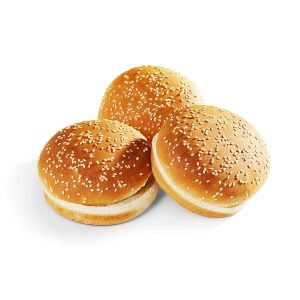
For bread and buns, the applications cover sorting based on color, baking, shape and dimensions, filling presence, and product defects.
For pizzas, the applications cover sorting based on diameter, height, and the presence and distribution of toppings.
For biscuits and crackers, the applications cover sorting based on height, length, width, diameter, and the distribution of toppings on the surface of the products.
Presentation of the KPM Analytics range
OFF-LINE THEIAVU
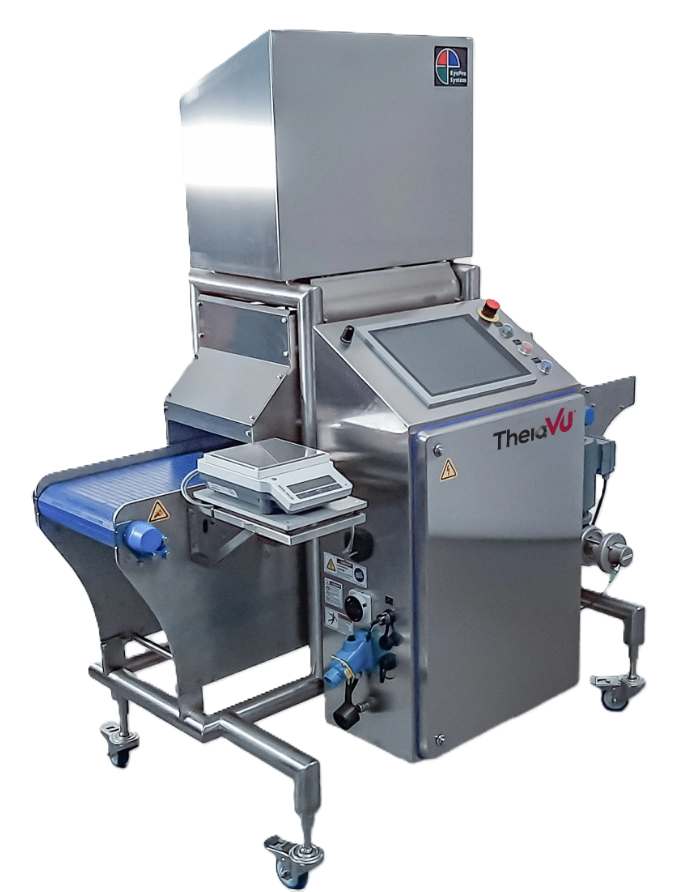
OFF-LINE TheiaVu® is a compact, mobile 2D/3D measurement and analysis solution, generally positioned at the end of the production line. It is mainly intended for quality control, R&D, and product characterization. It can measure shape, dimensions, height, volume, 3D profile, color, and weight, replacing manual measurements.
Industries: Mainly baking and biscuits
Q-BakeTM VPC Series
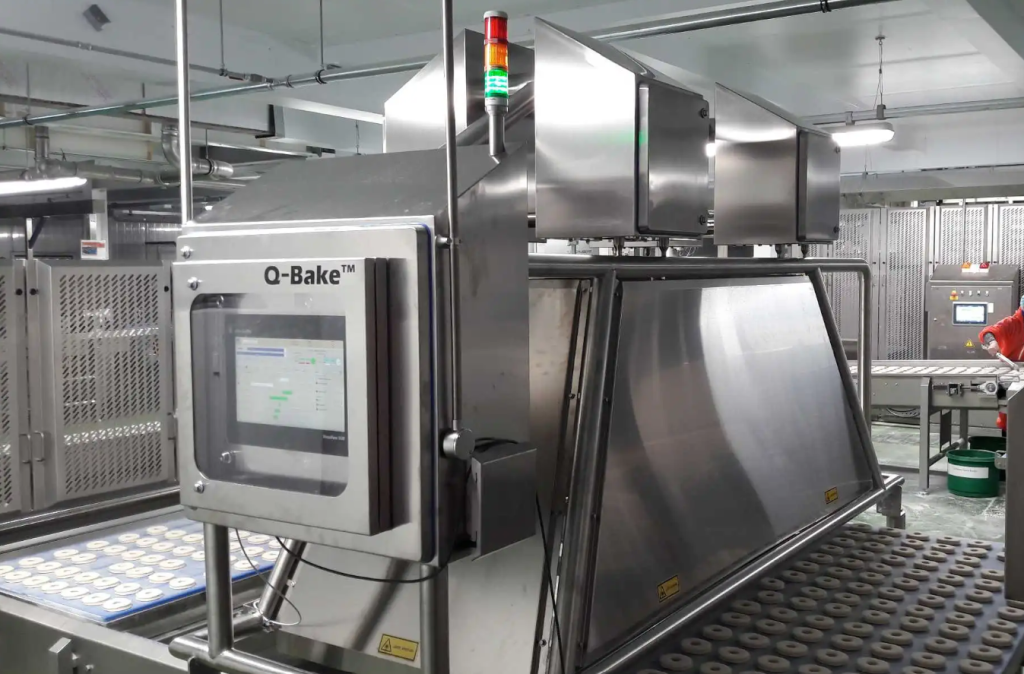
The Q-BakeTM VPC Series is a vision module specifically designed for easy integration into production lines to monitor product compliance and enable rapid response in the event of quality deviations.
Industries: Mainly baking and biscuits
Q-BakeTM Series
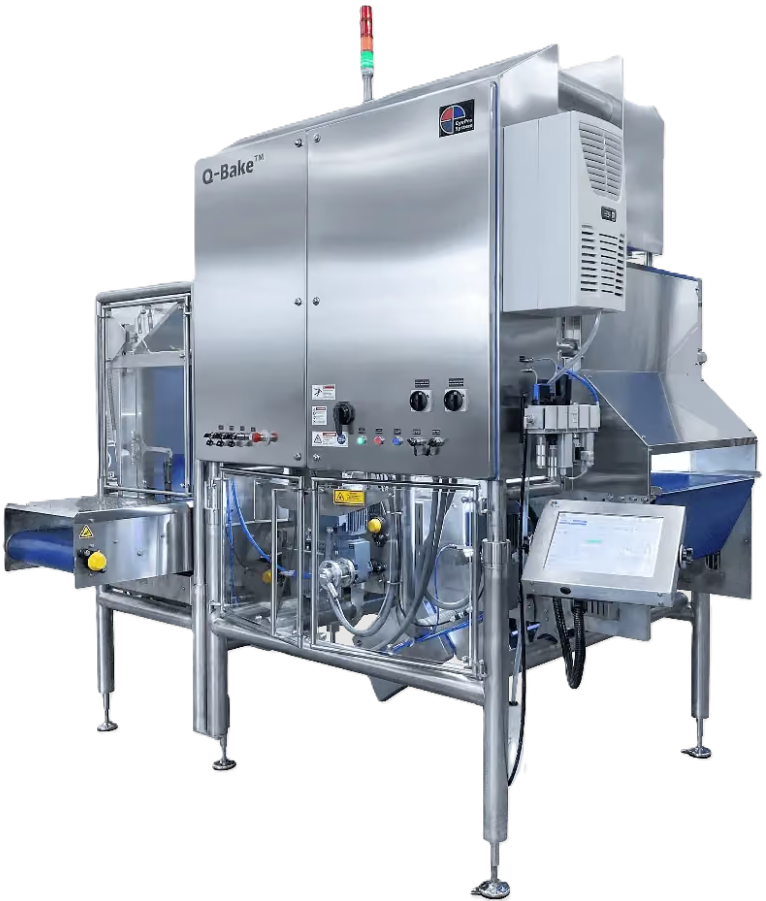
The Q-BakeTM is an industrial vision system designed for in-line quality inspection. It combines 2D/color and 3D vision to monitor the shape, dimensions, color, volume, and defects of products in real time. The system can also integrate AI to improve the detection and classification of non-conformities. It also incorporates a sorting function by rejecting non-compliant products.
Industries: Mainly baking and biscuits
Conclusion
The solutions offered by KPM Analytics are highly relevant, as they perfectly address the industrial challenges of the Baking industry.
They help improve the reliability of quality controls, optimize rejection criteria, and reduce implementation costs. These solutions therefore complement X-ray and metal detection systems.
As you will have understood, the applications of these technologies are numerous, and their potential continues to expand. The question is how far AI and 3D vision will take us. While technology opens up new perspectives, baking remains above all a profession based on know-how, where hands-on experience, observation, and the feel of the dough remain essential.
Thank you to Stéphane COCHET for his help in writing this article.
If you would like to learn more, visit the KPM Analytics website.
This article was written by Hopi Consulting, the engineering consultancy dedicated to bakery, viennoiserie and pastry. Discover more articles on the Hopi Consulting blog dedicated to bakery, viennoiserie and pastry.
Did you like this post ?
Share on Facebook
Share on Twitter
Share on Linkdin
Interested in this article?
Receive our monthly newsletter dedicated to the world of baking industry …
We will never send Spam nor share your email with third parties… promised!