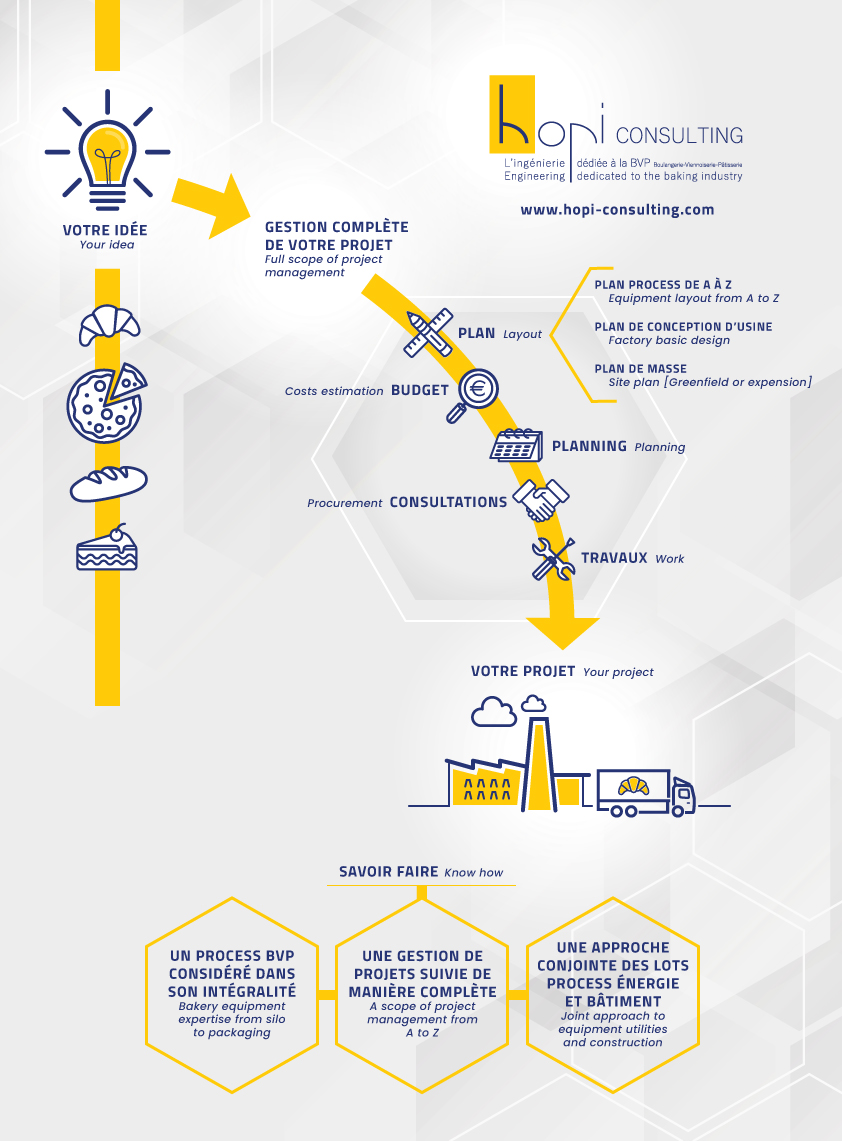
Are you looking for a source of practical ideas or a clear and pragmatic guide to the key points to consider when launching a new industrial project in the bakery, viennoiserie, pastry and snacking industry? Then this article is for you!

Hopi Consulting is the only engineering consultancy exclusively dedicated to the bakery, viennoiserie, pastry and snacking industry. By focusing solely on this sector, we provide practical industry expertise and tailor-made solutions specifically designed for bakery, viennoiserie and pastry manufacturers.
Our comprehensive approach covers process equipment, utilities and infrastructure, enabling us to share the know-how and experience that define our strength and make us unique. Furthermore, Hopi Consulting stands out through its complete independence and impartiality in the selection of equipment manufacturers and process suppliers—the only way to guarantee a truly objective solution tailored to your specific needs.
Special thanks to Caroline Masson, ingredient consultant specializing in the bakery, viennoiserie and pastry industry, for her valuable support and contribution to the writing of this article.
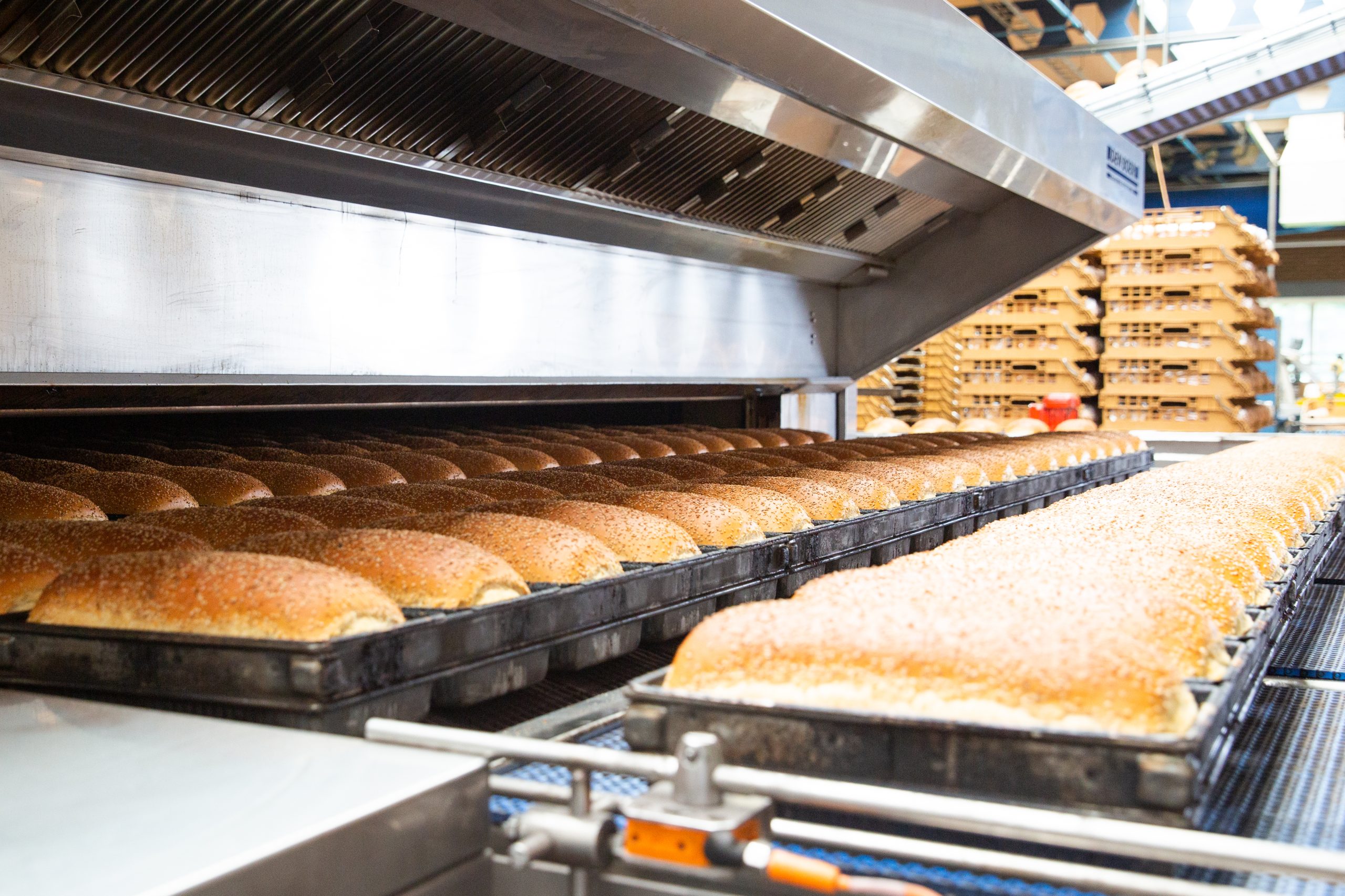
INTRODUCTION

When asked, “What makes a successful project?“, the first measures that usually come to mind are whether the target production rates have been achieved, whether products have been manufactured on time, and whether the expected quality standards have been met. But is that enough? In our view, the answer is no.
The success of a project should be assessed against two fundamental criteria: the financial dimension and the human dimension.
A successful project is, above all, one that demonstrates sound economic performance: the final project cost remains consistent with the initial budget, and the financial indicators at project completion are positive. But success should also be measured by the people who made the project possible—whether they are still part of the company, motivated, and thriving in their new working environment.
All other indicators—whether positive or negative—that may reflect the success or failure of a project ultimately fall into one of these two categories. These include commercial performance, through sales results and customer satisfaction; industrial performance, through the analysis of production KPIs; corporate communication, through the company’s image following the project; the assessment of employee health and safety during and after the works; and the control of quality requirements (in the broadest sense) as well as environmental challenges.
Ultimately, each of these factors has either a financial impact, a human impact—by influencing the working environment and employee well-being—or both. This exercise almost always leads to the same conclusion.

Together with Caroline Masson, we have chosen to explore project management through two key themes: equipment and ingredients. Through these two perspectives, we aim to provide a specialist view of the bakery, viennoiserie and pastry industry, highlighting the key challenges and considerations that should be addressed from the very beginning of a project.
PROCESS EQUIPMENTS & MACHINES
The main idea to keep in mind :
“Don’t let the market make your decisions—define your expectations and make the market respond to them.”

It is essential to begin with what forms the foundation of every preliminary design project: the project requirements.
From this very first stage, two major challenges emerge: clearly defining the requirements and then selecting the equipment that best meets them. These two aspects are inseparable.
Let’s take a simple yet fundamental example: it is impossible to make the right equipment selection if the project requirements have not first been clearly defined. Yet many projects still begin with requests for quotations from suppliers before this essential analysis and definition work has been carried out.
This is a losing approach for both the client and the supplier. In the best-case scenario, it results in lost time, as the missing requirements inevitably emerge later in the project and force the process to be revisited. In the worst-case scenario, the gap only becomes apparent when the equipment is delivered, leading to disappointment because the actual needs were never properly taken into account.
The Specifications – The Holy Grail of the Preliminary Design Phase
A crucial preliminary step is to formalize the project requirements in a reference document: the project specification.
This document provides a structured collection of reliable and detailed information, organized around two main sections:
- Project requirements
- Expected performance guarantees
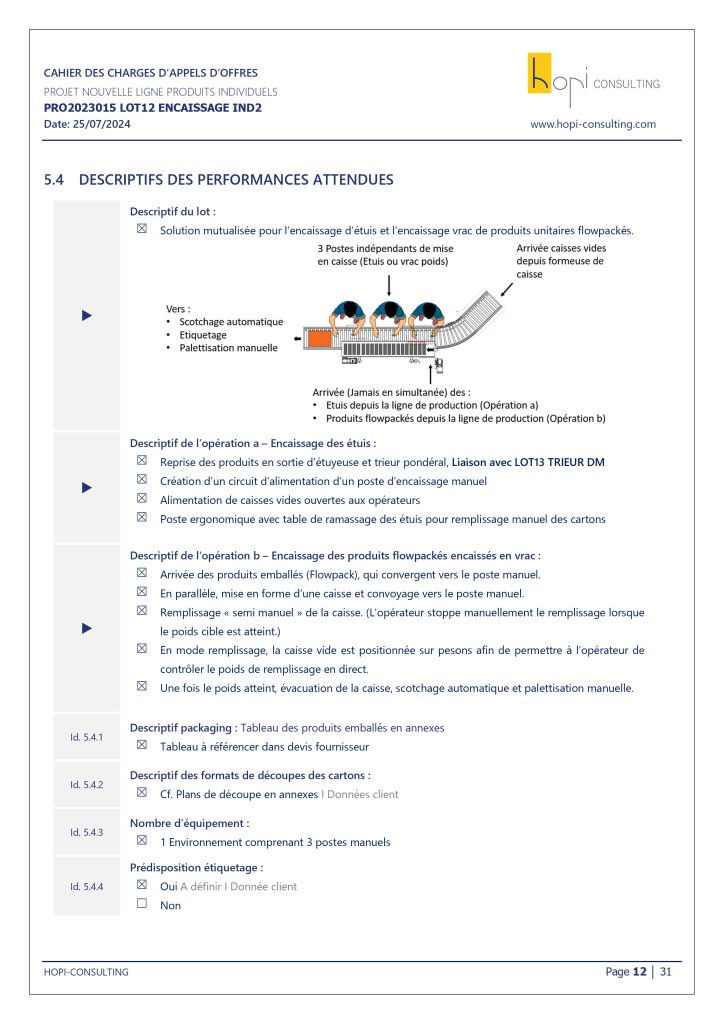
Project Requirements
The project requirements provide a factual description of the objective and its operating environment. In most cases, this consists of a description of the products to be manufactured or packaged, but it may also relate to a quantity to be dosed or weighed, a specific process challenge to be addressed, or any other key element of the project.
Every detail should be clearly defined: working methods and production rates, production environment (temperature, humidity), building dimensions, product characteristics (flow properties, viscosity, stickiness, etc.), types of consumables used (formats, materials, compositions, etc.), and any other relevant operating conditions.
Performance Guarantees
The performance guarantees define the objectives to be achieved and give purpose to the project. At this stage, the expected performance targets are documented in the project specification, ensuring they are fully aligned with the previously defined requirements.
These objectives may include, for example, manufacturing new products, achieving a specified production rate, meeting a particular packaging format, guaranteeing dosing accuracy, or solving a specific process challenge. They should also incorporate a fundamental notion of productivity and efficiency, which will be discussed later in this article.
This phase of consolidating information and drafting the project specification is almost always initiated at the beginning of a project.
The real challenge lies in completing the specification so that it is comprehensive, well-structured and easy to understand.
Yet following this methodology—first defining the project requirements and expected performance with precision, and only then exploring the solutions available on the market—is one of the first keys to a successful project.
It enables project teams to anticipate the legitimate questions that equipment suppliers will ask regarding machine sizing, production rates, product range, and many other technical aspects. More importantly, it allows them to develop their own vision, build strong technical convictions and identify the key requirements that cannot be compromised.
This approach fundamentally changes the dynamics of a project. Rather than allowing the market to define the project’s boundaries, it enables you to make the market respond to your requirements and ambitions.

Here are two essential principles for developing a robust preliminary design specification
- A factual definition of what needs to be produced.
- The establishment of measurable and achievable acceptance criteria.
1 – A Clear and Detailed Definition of the Project Requirements
In practice, it is essential to pay particular attention to the products to be manufactured and to define them as precisely as possible, including:
- size and dimensions
- weight
- height
- visual appearance and any specific characteristics
Photographs also provide invaluable support by giving an unambiguous representation of the product and its expected characteristics. The objective is to be as comprehensive as possible: no parameter that may influence the product should be overlooked, whether it relates to viscosity, rheology, reactivity, stability, or how these properties evolve over time.
This detailed analysis provides an essential foundation for guiding technical decisions and ensuring that the proposed solutions are truly suited to the project requirements.
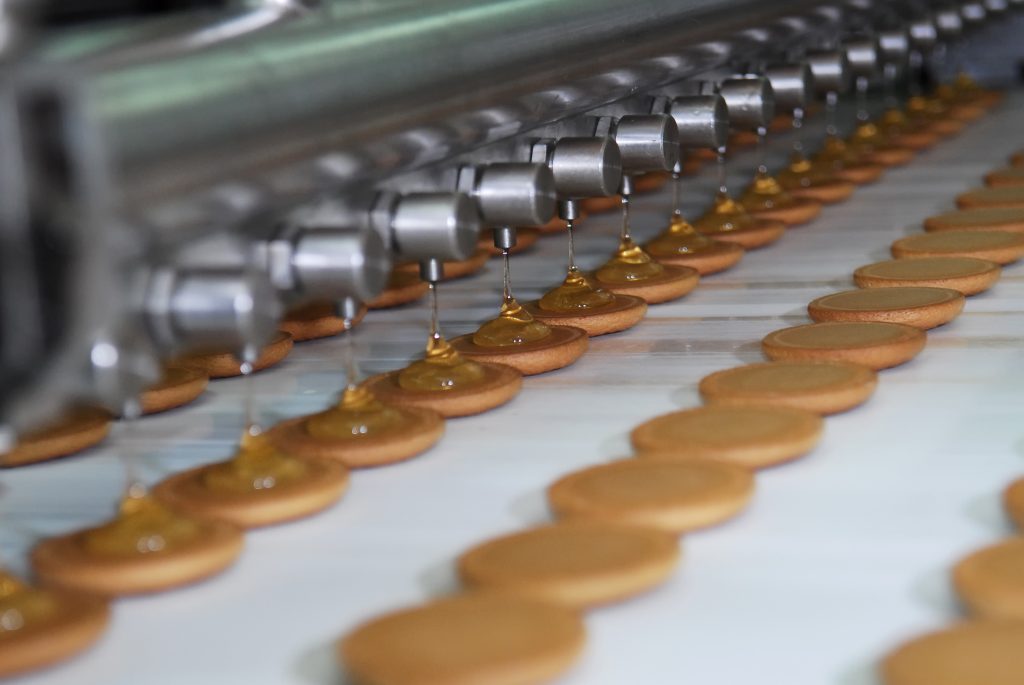
For packaging projects, it is essential to clearly define the dimensions and characteristics of the packaged products.
The specification should also include requirements related to labelling, product visibility through the packaging, and compatibility with the different levels of packaging: primary, secondary and, where applicable, tertiary packaging.
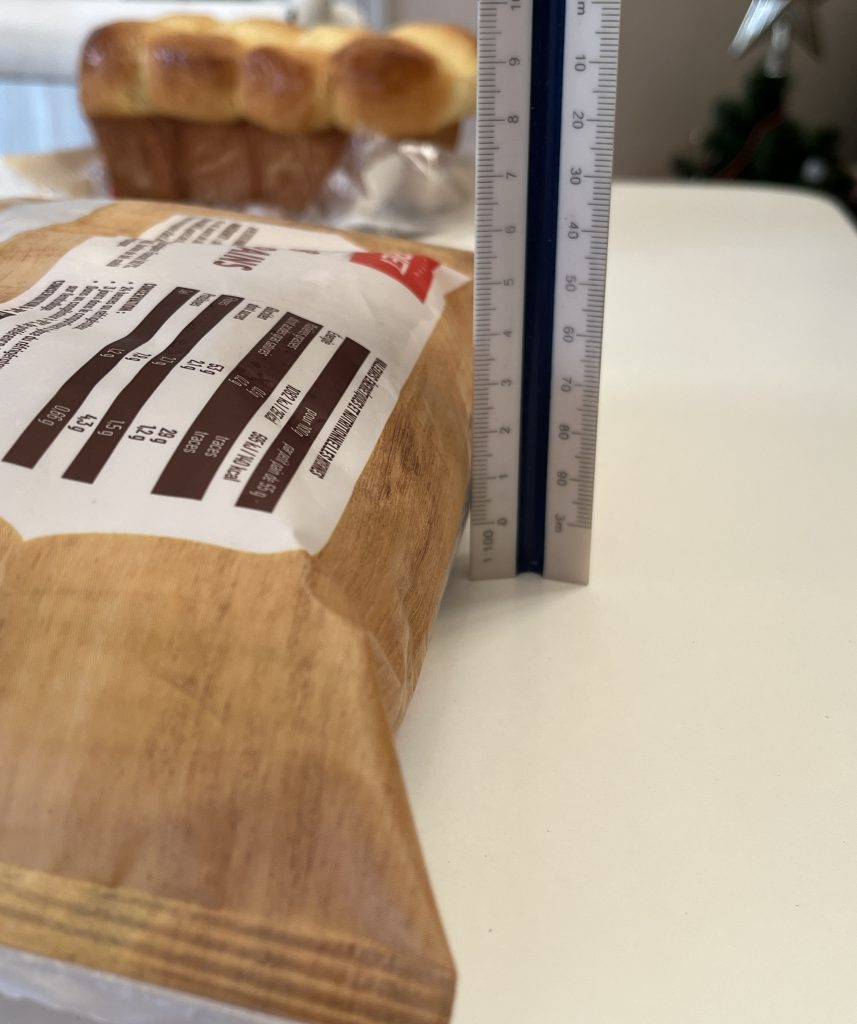
For example, in a bakery project involving the replacement of a baking oven, it is not sufficient to define only the product dimensions before and after baking.
It is equally important to specify the expected appearance of the finished product, including crust colour and overall appearance, as well as the characteristics of the crumb. In addition, a product shelf-life test should be carried out to compare the quality of the product produced after the project with that of the product manufactured under the existing production conditions.

For equipment investments aimed at increasing production capacity, particular attention should be paid to the method used to assess production capacity.
Measurement periods should be neither too short nor too long. The objective is to define representative trial durations—typically around eight hours—which generally provide the best balance between realistic production runs and the ability to monitor the entire test.
Once the timing methodology has been established, attention should then focus on counting the products produced. Only products that comply with the predefined acceptance criteria should be included in the throughput calculation. This, in turn, requires that product conformity has been clearly defined in advance.
This topic will be discussed in greater detail later in this article.
For example, when equipment is subject to a capacity guarantee, performance tests should be carried out under the most demanding operating conditions, such as immediately after a product changeover or following a cleaning cycle.
By applying the principle that if the equipment performs under the toughest conditions, it will perform under normal operating conditions, these tests provide a reliable assessment of performance and reduce the risk of failing to achieve the expected capacity during critical restart phases.

2 – Well-Defined Acceptance Criteria
Only once this first step of defining the project requirements has been completed does it become essential to establish the criteria that will determine whether the project is considered a success or a failure.
Recommendation:
“Define acceptance criteria that are measurable and achievable.”

One key to establishing effective acceptance criteria is to remain factual and precise when defining the project objectives.
The goal is to avoid any criterion that cannot be measured or quantified. It is also important to move away from unrealistic expectations and replace the vague objective of “it has to work” with requirements that are clearly defined, achievable, measurable and verifiable during acceptance testing.
Finally, acceptance tests should be conducted over realistic time periods to ensure that the data collected is both representative and reliable.
Use acceptance test protocols that are simple, effective and practical.
3 – Conformity / Non-Conformity: No Room for Debate
Another key to successful acceptance criteria is to clearly define what constitutes a rejected product or a non-conforming situation.
To ensure that the acceptance decision is factual and indisputable, any ambiguity must first be eliminated regarding what is considered conforming, acceptable, or, conversely, non-conforming and unacceptable.

Recommendation:
“Define clearly and unambiguously what is conforming and what is non-conforming.“
For example, if the project involves manufacturing a product, create a library of reference photographs to facilitate conformity assessments. Complement it with a clear and concise table listing the product rejection criteria.
It is also essential to define what will be considered normal operating conditions for the future project—that is, the reference conditions under which the acceptance tests will be performed.
This includes defining the production environment (temperature, humidity, etc.), the human environment (the expected number of operators and their required skill level), the technical environment (the level of interaction with upstream and downstream equipment), as well as the raw materials, packaging and any other parameters that may influence performance.
All of these factors can become sources of disagreement if the expected objectives are not achieved. Defining them in advance eliminates ambiguity and ensures that acceptance testing remains objective, factual and indisputable.
4 – Information Sharing and Communication

The final key to a successful preliminary design phase is to provide suppliers with all the relevant project information, requirements and performance objectives.
By sharing a clear project specification together with jointly agreed acceptance criteria, the project becomes a truly collaborative process. Everyone commits to common objectives, shared evaluation conditions and performance guarantees accepted by all stakeholders.
Everyone knows the objectives to be achieved and how they will be assessed.
5 – The Final Keys to Success
Many other topics deserve attention to fully secure an investment project involving new equipment in the bakery, viennoiserie and pastry industry. However, the main ones have been covered in this first part. The following points are complementary and will help refine the approach even further.
Define your short-term requirements while also considering the future scalability of the project. Although this exercise is often challenging, your investment should anticipate potential upgrades or capacity increases.
One recommendation: make your investment as modular as possible. Its initial configuration should meet your immediate needs while allowing additional options or upgrades to be integrated later, ensuring long-term flexibility. Only time will determine whether these possibilities will eventually need to be implemented.
A second recommendation: combine this forward-looking approach with a review of the facility layout. Plan sufficient space from the outset to accommodate future options, avoiding constraints caused by existing walls, adjacent equipment or limited accessibility.
Define the level of automation you expect and, above all, assess the level of automation actually delivered by the different solutions available. The impact on workforce skills development, together with the associated training requirements, can be a key factor in the success of the project.
Plan site access from the earliest stages of the project. Although this may seem like a secondary consideration, ensuring that equipment can be transported to its final installation location is a fundamental requirement for a successful project.
Assess the impact of the project on the coexistence of construction activities and ongoing production as early as possible.
Although this aspect may seem secondary, it is a major success factor. It is essential to ensure that operational constraints—particularly the production shutdown periods available—are compatible with the construction schedule and site requirements. Insufficient planning at this stage can lead to significant difficulties during project execution.
Verify at an early stage that the existing building does not impose any constraints. Columns, ceiling heights, partitions and other structural features should be taken into account from the very beginning of the project to avoid late design changes or the need to reconsider key technical decisions.
Your new equipment will require utilities—at a minimum, an electrical power supply, and potentially compressed air, gas, steam or other utilities necessary for its operation.
The availability and capacity of the existing utility networks should be verified at an early stage. Otherwise, additional utility generation or distribution systems may be required, such as an electrical substation, a main low-voltage switchboard, a boiler or an air compressor.
Assess the financial impact of these requirements from the very beginning of the project so that all necessary investments are included in the overall budget and unexpected costs can be avoided during project execution.
Validate the project’s administrative feasibility at an early stage by ensuring compliance with all applicable laws, regulations and associated requirements.
In an increasingly demanding regulatory environment, this assessment should be carried out from the very beginning of the project to identify any permits, approvals or specific obligations that must be met.
At the same time, numerous financial support schemes are available through local, regional, national and European grants and funding programs. It is therefore advisable to assess the project’s eligibility for these opportunities as early as possible.
Do not underestimate the importance of the human factor in any project management approach.
Implementing a collective and collaborative approach brings many benefits to an investment project: taking into account operational needs expressed by future users, engaging teams, involving them in decision-making and creating a sense of ownership around the project.
When this approach is successfully implemented, the project is strengthened in two ways: it benefits from technical improvements through user feedback, while reducing the risks of disengagement, lack of support or even rejection of the investment by the teams involved.

INGREDIENTS
The Technical Brief
Before starting any formulation development, it is essential to define an “ingredient charter” to guide raw material selection and ensure that the product complies with the predefined rules and requirements.
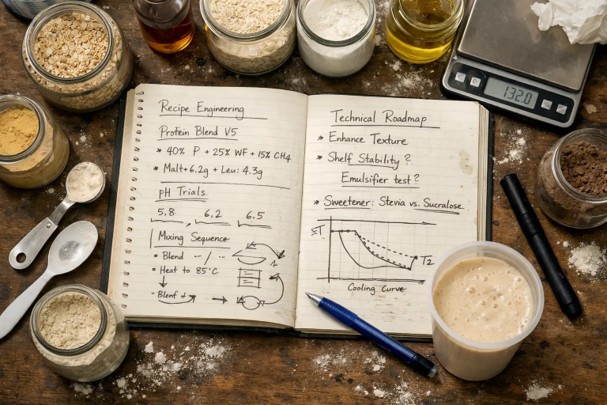
This brief provides a true roadmap for product formulation.
Depending on the target consumers, it is essential to clearly define these key “rules of the game” in order to guide formulation choices and ensure consistency in the final product.
The Case of Conventional Products
You do not have any specific ingredient constraints, other than meeting market expectations in terms of organoleptic profile. However, there is currently a strong focus on “Clean Label” formulation, a concept that does not have any official regulatory definition.
The “Clean Label” concept encompasses consumer trends and reflects the growing expectations for greater authenticity, ethics and transparency.
Each brand and manufacturer must consider how customer expectations are evolving and find the right balance. Indeed, successfully combining all these criteria represents a real innovation challenge.

Recommendation: define a clear internal ingredient policy by identifying the ingredients to be prioritised and establishing a blacklist of ingredients that the company chooses not to use, for ethical, regulatory reasons or based on its own values.
The Case of Organic Products
For organic products, organic farming regulations represent an additional framework to consider during formulation. The recipe must ensure that the final product complies with the specific requirements defined by the organic specification.
Suitable solutions can be identified by referring, in particular, to the lists of authorised additives and processing aids detailed in the regulatory annexes.
The Case of a Specific Customer Requirements
Depending on your distribution channels or the countries where your products are marketed, additional regulatory or contractual requirements may need to be incorporated into the initial brief.
The Case of a Specific Nutritional Objective
Integrating the objective of a specific nutritional claim or a target Nutri-Score level from the very beginning helps prevent any deviation during the project and allows the reference criteria to be clearly defined and respected.
For example, in the case of a claim such as “reduced sugar content” for a brioche, it is essential to identify the reference product and the criteria required to substantiate this claim from the very beginning of the project. Similarly, a Nutri-Score target should be considered during product design, as it can directly influence formulation choices and ingredient trade-offs.
The Case of Gluten-Free Products

The development of gluten-free products is subject to strict regulations, requiring the final product to contain less than 20 ppm of gluten.
Particular attention must therefore be paid to the selection of incoming ingredients, as well as to the control of cross-contamination risks throughout the manufacturing process, especially on production lines.
Recommendation: allergen management should be addressed from the earliest stages of the project, in line with the company’s quality policy.
The introduction of new equipment or a new process can indeed affect allergen management, particularly through potential cross-contamination risks, with possible impacts on labelling requirements.
Note: it is important to apply this ingredient charter to all raw materials used. Release agents, in particular, should be considered from the preliminary design phase, as they may also impact formulation choices, expected performance and the compliance of the final product.

A successful project starts with a clear and structured “ingredient” brief: an essential preliminary step to establish the right foundations for product development.
Once this step has been completed, it becomes possible to explore the various ingredient solutions within a clearly defined framework and maximise the chances of successful formulation.

It is then time to begin your formulation work around the key ingredients used in the bakery, viennoiserie and pastry industry: flours (roller-milled, stone-ground, heat-treated or not, etc.), sourdoughs and yeasts, improvers, additives, as well as all functional ingredients, processing aids and preservation solutions.
Fruit, seeds and all other ingredients that contribute to defining your product identity should also be considered.
The Formulation / Equipment Interface: A Key Factor for Success
To ensure the successful industrialisation of a new product, two approaches are possible.
The first approach consists of developing the product alongside the creation of a new process. In this case, the process must be designed to meet the specific characteristics of the product.
The second approach consists of integrating the new product into an existing production line. The key to success then lies in considering industrialisation constraints from the earliest stages of formulation development.
Successful industrialisation is not only about being able to manufacture a new product. It must ensure that the product can be produced under controlled conditions, with the expected capacity, suitable working conditions and a cost of goods aligned with the defined objectives.

Recommendation: integrate the adaptation of existing processes and working methods from the earliest stages of the formulation development approach. The interface between formulation and equipment is indeed a key factor for project success.
Conclusion: Preliminary Design, an Investment for Success
This article aimed to present, in a simple and factual way, a list of key success factors for an industrial preliminary design project in the bakery, viennoiserie, pastry and snacking industry.
Through two deliberately different perspectives – the ingredient side and the equipment side – Caroline MASSON and the Hopi Consulting team wanted to share a vision based on their field experience and their daily involvement in industrial projects.
Indeed, although these preliminary design approaches may sometimes appear to be a matter of common sense, they are actually based on a structured methodology requiring in-depth field knowledge, experience and technical expertise.
Support and consulting assignments represent an investment of time and resources that may sometimes appear to be a barrier at the beginning of a project. However, this initial effort provides genuine security for the future. When a project is built on solid foundations supported by this expertise, it becomes possible to achieve real guarantees of success: better budget control, a clear project timeline and the ability to evolve and adapt to future needs.
This article was written by Hopi Consulting, the engineering consultancy dedicated to bakery, viennoiserie and pastry. Discover more articles on the Hopi Consulting blog dedicated to bakery, viennoiserie and pastry.